
Service Details
PLAN. LAUNCH. GROW.
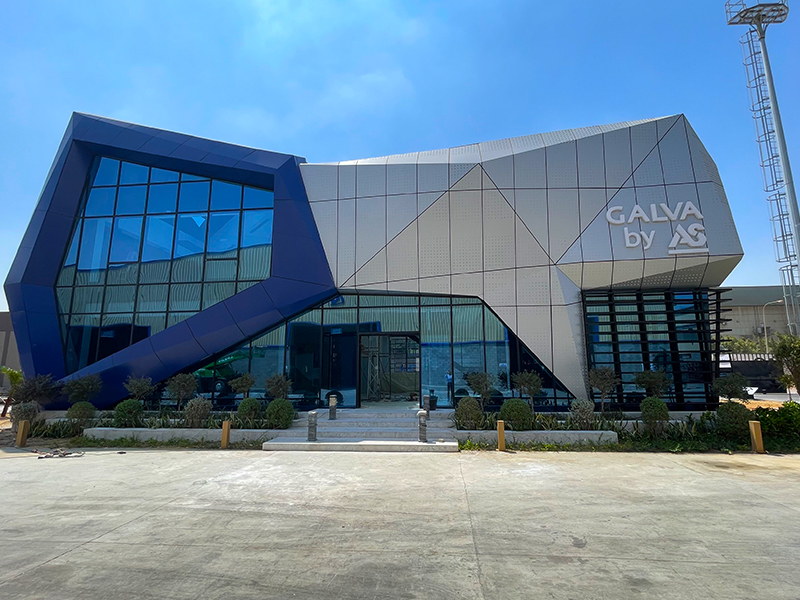
The Structural & Functional Importance of Building Frames (Narrative)
The building frame is the fundamental skeleton that supports all other components of a structure, including facades, floors, roofs, and internal partitions. Without a robust and precisely engineered frame, no amount of architectural detailing or cladding can ensure safety or longevity. The primary function of a building frame is to safely transfer loads—such as the weight of the building itself (dead loads), occupants and furniture (live loads), wind pressure, and seismic forces—down to the foundation. Different frame materials and configurations offer varying levels of strength, ductility, fire resistance, and construction speed. Therefore, selecting the optimal frame system is a critical decision that directly affects a building's structural integrity, cost efficiency, and adaptability for future modifications.
Key Types of Building Frames with Examples (Bullet Points)
Modern construction utilizes several distinct frame systems, each suited to specific building types, heights, and site conditions. Below are the most common types with practical examples:
1- Reinforced concrete frame – Widely used for mid- to high-rise buildings due to its excellent compressive strength and fire resistance.
Example: A 20-story residential tower typically uses cast-in-place concrete columns, beams, and shear walls to resist lateral wind and earthquake loads.
2- Steel frame – Preferred for skyscrapers, industrial warehouses, and large-span structures because of its high strength-to-weight ratio and fast erection.
Example: An airport terminal with a wide-span steel truss frame allows column-free interior spaces up to 100 meters wide.
3- Timber frame (including CLT – Cross-Laminated Timber) – Gaining popularity in eco-friendly and mid-rise residential projects due to its renewable nature and carbon sequestration.
Example: A 12-story mass timber office building uses glued-laminated beams and CLT panels, achieving both sustainability and a warm aesthetic.
4- Masonry load-bearing frame – Common in traditional low-rise buildings where walls themselves act as the frame, eliminating separate columns.
Example: A small school or clinic built with reinforced brick masonry piers and concrete lintels, offering durability with low material costs.
5- Precast concrete frame – Ideal for repetitive, modular construction such as parking garages and apartment blocks, reducing on-site labor and curing time.
Example: A 10-story hotel built using precast columns, beams, and hollow-core slabs, where each piece is factory-made and simply assembled on site.
6- Composite steel-concrete frame – Combines steel beams with concrete slabs or concrete-filled steel tubes, maximizing both tensile and compressive strengths.
Example: A modern high-rise office tower where steel beams support a concrete floor slab, saving 30% in structural depth compared to pure concrete.
By understanding these frame types, engineers and developers can match the structural system to project goals regarding height, span, speed, budget, and environmental impact.
As the construction industry moves toward net-zero emissions, building frames are undergoing significant innovation in materials and design methodologies. Low-carbon alternatives such as green concrete (using fly ash or slag), recycled steel, and engineered timber are rapidly replacing traditional high-emission materials. Additionally, design for disassembly (DfD) is emerging as a key trend, where frame components are connected using bolted or dry joints instead of permanent adhesives or cast-in-place concrete, allowing future reuse or recycling. Another advancement is the integration of sensors and smart monitoring systems directly into the frame structure, enabling real-time assessment of load, vibration, and crack detection for predictive maintenance. Embracing these sustainable and intelligent frame solutions not only reduces a building's carbon footprint but also enhances its lifecycle value, resilience, and adaptability for changing occupancy needs.