
Service Details
PLAN. LAUNCH. GROW.
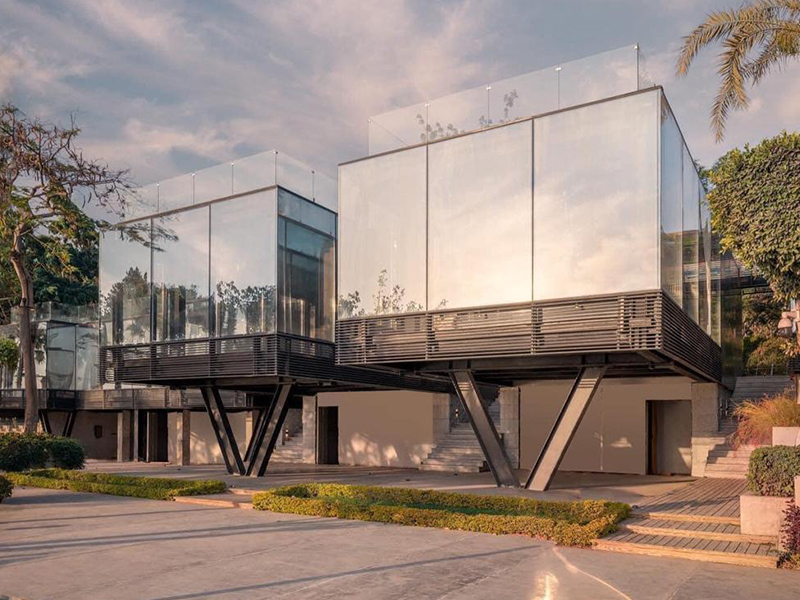
The Functional & Aesthetic Role of Windows and Doors
Windows and doors are not merely openings in a building envelope; they are dynamic components that control access, natural light, ventilation, thermal insulation, and visual connection to the exterior. Functionally, they provide essential egress routes for safety, security against intrusion, and acoustic insulation from external noise, while also allowing controlled airflow to maintain indoor air quality. Aesthetically, windows and doors define the character of both interior and exterior spaces, framing views and creating rhythms on the facade that can make a building feel welcoming, grand, or minimalist. Modern designs demand that these elements integrate seamlessly with wall systems, avoiding thermal bridges and air leakage that waste energy. Therefore, selecting high-performance windows and doors directly influences occupant comfort, building energy efficiency, and the overall architectural expression of any residential, commercial, or industrial project.
Key Types of Windows and Doors with Examples (Bullet Points)
Windows and doors come in a wide variety of materials, opening mechanisms, and performance ratings, each suited to different climatic conditions and building uses. Below are the most common types with practical examples:
1- Aluminum windows & doors – Known for their slim profiles, high strength, and corrosion resistance, making them ideal for large-span glazing and coastal environments.
Example: A beachfront villa uses thermally broken aluminum sliding doors with double glazing, resisting salt spray while providing panoramic ocean views.
2- uPVC (unplasticized polyvinyl chloride) windows – Excellent thermal and acoustic insulation at an affordable price, with low maintenance requirements.
Example: An apartment building in a noisy urban area installs uPVC tilt-and-turn windows with triple glazing, reducing outside traffic noise by up to 40 decibels.
3- Timber windows & doors – Offering natural beauty and superior insulation, timber is favored for heritage restorations and high-end eco-friendly homes.
Example: A countryside hotel uses French casement windows made from FSC-certified oak, blending traditional aesthetics with modern double glazing.
4- Steel windows & doors – Extremely strong and slim-framed, allowing for industrial-style large glass panels and high-security applications.
Example: A contemporary art gallery features steel pivot doors and floor-to-ceiling steel windows, creating a minimalist look while supporting heavy glass panes.
5- Sliding windows & doors – Space-saving solutions for balconies, patios, and room partitions, available in aluminum, uPVC, or timber.
Example: A compact apartment in a dense city uses sliding aluminum doors for its tiny balcony, maximizing floor space and allowing natural ventilation.
6- Bi-fold (folding-sliding) doors – Create wide, unobstructed openings that seamlessly connect indoor and outdoor living areas.
Example: A resort restaurant installs bi-fold glass doors that fully open to a terrace, turning the space into an open-air pavilion during good weather.
By matching the right window or door type to the building's orientation, climate, and usage patterns, architects can enhance energy performance, user comfort, and long-term durability.
As building energy codes become stricter worldwide, windows and doors have evolved from passive openings into active, high-tech building components. Energy-efficient innovations include warm-edge spacers, low-emissivity (low-E) coatings, and gas-filled insulated glass units (IGUs) that achieve U-values as low as 0.8 W/m²K, dramatically reducing heating and cooling demand. Future trends point toward vacuum-insulated glazing (VIG), which offers the thinness of single glazing with insulation superior to triple glazing, ideal for retrofit projects where frame depth is limited. Additionally, solar-active windows incorporating transparent photovoltaic films can generate electricity while admitting natural light, turning facades into power sources. Automated operable windows linked to building management systems (BMS) can open at night to flush out warm air, reducing reliance on air conditioning. Embracing these sustainable window and door solutions not only lowers operational carbon emissions but also improves occupant well-being through better daylight, fresh air, and thermal comfort, all while increasing property value.