
Our Projects
PLAN. LAUNCH. GROW.
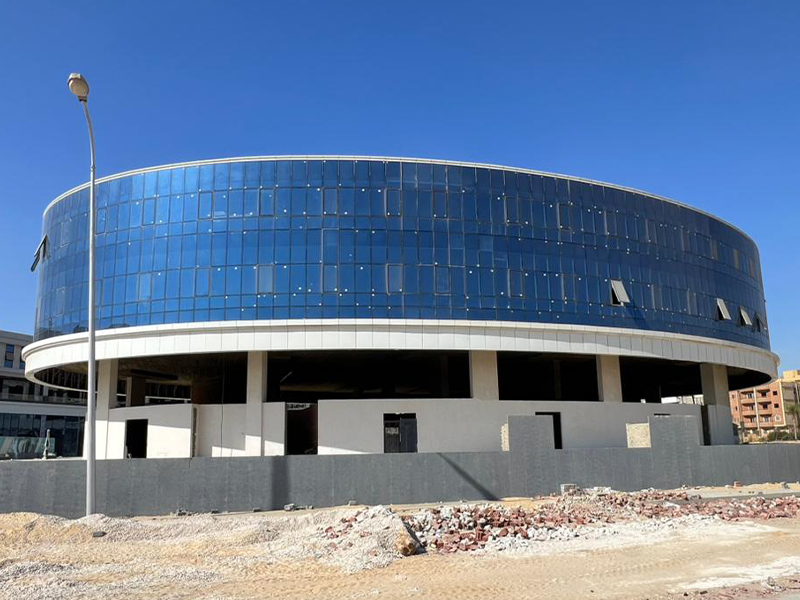
A building facade
is far more than just an exterior decorative layer; it serves as the critical interface between the interior environment and the outside world. Functionally, the facade acts as a protective shield against weather elements such as rain, wind, UV radiation, and temperature fluctuations, thereby ensuring structural durability and occupant comfort. Aesthetically, it defines the architectural identity of a structure, creating the first and most lasting impression on viewers, clients, and the urban landscape. Modern facade design balances these two roles by integrating advanced materials and engineering techniques that enhance both performance and visual appeal. Consequently, investing in a high-quality facade system directly impacts a building’s energy efficiency, longevity, and market value, making it a cornerstone of contemporary construction.
The evolution of facade construction has introduced a wide array of materials and smart technologies, each offering unique benefits in terms of strength, insulation, and design flexibility. Below are key examples of modern facade solutions:
1- Glass facades – Used extensively in commercial skyscrapers, glass curtain walls allow maximum natural light penetration while providing thermal insulation when coated with low-emissivity (low-E) layers. For example, double-glazed units with argon gas filling reduce heat loss by up to 50%.
2- Aluminum composite panels (ACP) – Lightweight and easy to install, ACPs are ideal for creating sleek, modern exteriors. They come in hundreds of colors and finishes, such as brushed metal or wood grain, making them a popular choice for retail buildings and showrooms.
3- Natural stone cladding – Materials like granite, limestone, or slate offer timeless elegance and exceptional durability. A luxury hotel facade might use thin stone veneers to achieve a prestigious, high-end appearance without the full weight of solid stone.
4- Fiber cement boards – Highly resistant to fire, moisture, and pests, fiber cement is perfect for residential or hospital facades. For instance, a coastal villa can benefit from fiber cement panels that withstand salt spray and humidity.
5- High-pressure laminates (HPL) – These provide excellent impact resistance and are available in textured finishes that mimic concrete, wood, or fabric. HPL is often specified for schools and public buildings where both safety and design variety are priorities.
6- Smart & dynamic facades – Examples include electrochromic glass that changes tint based on sunlight intensity, or photovoltaic cladding that generates electricity. An office building with a double-skin facade can reduce HVAC energy consumption by over 30% through passive ventilation.
By selecting the right combination of these materials and technologies, companies can achieve facades that are not only visually stunning but also highly sustainable and cost-effective over their lifecycle.
As global regulations on carbon emissions tighten, sustainable facade solutions have become a top priority for architects and developers worldwide. Green facades, including living walls and ventilated rain-screen systems, improve thermal performance while contributing to urban biodiversity and air purification. Additionally, the use of recycled and low-embodied-carbon materials is gaining momentum, alongside modular facade panels that enable faster, less wasteful installation processes. Future trends point toward fully responsive facades equipped with sensors and automation, capable of self-adjusting opacity, insulation, and ventilation in real time. Embracing these eco-friendly and intelligent facade systems not only helps companies meet environmental compliance standards but also positions them as leaders in responsible, forward-thinking building design.